


Introduction: The Scenario When Debt Collectors Lie About What You Pay
Dealing with debt collector interactions is often extremely stressful for many people. However, things become even more serious when they falsely state your total debt. On some occasions, collectors might try to exaggerate the amount you owe. They may include unwanted fees that were never contracted for. Sometimes they even try to collect on debts that are not yours.
It is critical to understand your legal rights in these situations. You must know how to handle these types of correspondence appropriately. This knowledge is essential to shield yourself effectively. It also helps you settle things both legally and calmly.
This piece explains the steps to follow if a debt collector misleads you. It shows how to challenge their assertions efficiently. Finally, it identifies several laws designed to prevent the unfair treatment of customers.
1. Understanding of the Misrepresentation in Debt Collection
Misrepresentation happens if a debt collector gives information that is incorrect, misleading, or deceitful regarding the nature of your debt.
Examples are:
- Falsely assuming a larger financial responsibility than really exists.
- They often include interest charges or fees that your original contract’s terms do not permit or approve.
- Portraying themselves as acting on behalf of a government institution or a law firm. When, of course, they are not parties at all to either of those entities.
- Threatening arrest or legal action, they cannot take.
These activities patently contravene the Fair Debt Collection Practices Act, also known as the FDCPA. This federal act specifically preserves consumer protection against unfair and abusive collection practices. This law ensures debt collectors follow ethical methods.
Need more about How to Deal With Debt Collection Calls During Settlement
2. Commonly Observed Collectors Mislead Debt Amounts
Debt collectors use several tactics to exaggerate or inflate your owed balance. Learning to recognize these tactics helps you identify if something is wrong.
- Collectors inflate balances by adding interest or fees not found in your original contract. This tactic unfairly increases the amount you owe.
- Double collection: Trying to collect the same debt multiple times, sometimes by selling it to different agencies.
- “Phantom debt” lawsuits: Suing for a debt that you did not owe or pay.
- Misapplied payments occur when prior payments are forgotten or overlooked. This leads to collectors erroneously claiming you owe the full amount again.
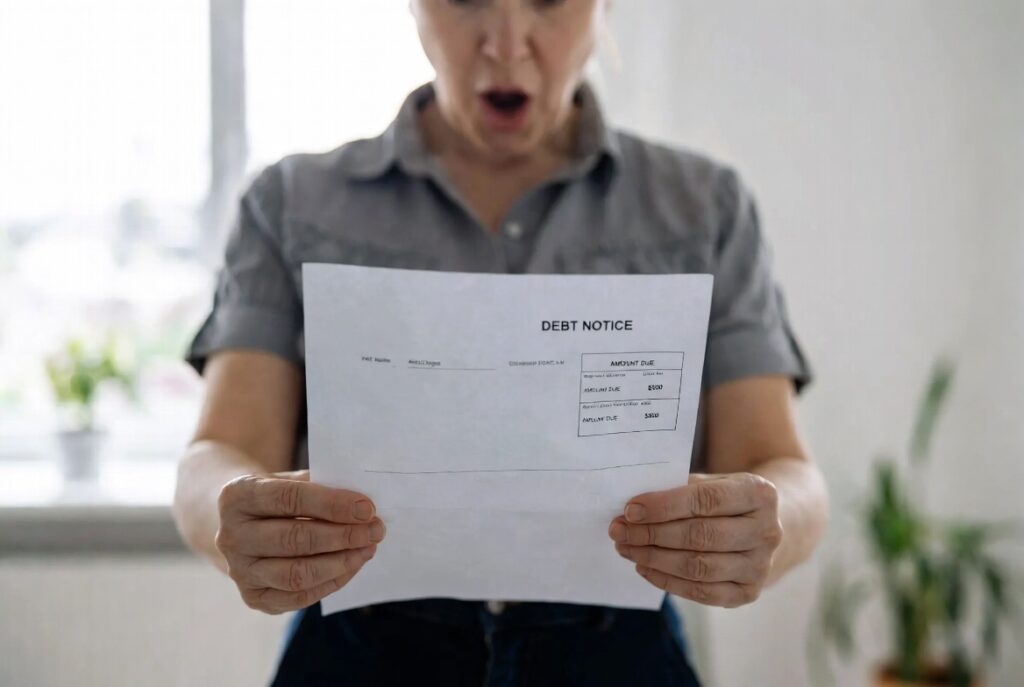
If a debt appears suspicious, request written verification before making any kind of payment.
3. Your Rights Under the FDCPA
The FDCPA offers you considerable protection against dishonest debt collectors. Under this law, collectors cannot:
- Misrepresent the amount, nature, or legal position of your debt.
- Incorporate charges or fees that are not approved.
- They can also threaten lawsuits or even arrests, which are not based on any valid legal grounds or reasons.
- Transmit incorrect credit information to the different credit bureaus that assemble and keep consumer credit reports.
You have the right to formally request debt verification in writing. This must be done within 30 days of your first contact. Once you request this, the collector must stop all communication by law. They cannot contact you again until they verify the amount and ownership of the debt.
4. Steps You Must Take If a Debt Collector Misrepresents the Debt
If you have a reasonable suspicion that the collector is potentially lying or highly exaggerating the case at hand:
Step 1: Keep Calm and Take Information
Do not enter into any kind of argumentation or confession of anything if you are communicating via the telephone. Gently ask for their company’s name, their agent’s name, and even their full mailing address. You must record precise notes about everything the collector states during your communication. You should focus heavily on the specific amount they claim and any threats they issue. This detailed record-keeping ensures you have evidence if they violate your rights. You must document every detail carefully to maintain a complete history of the interaction.
Step 2: Proceed to apply for formal written corroboration
Create a debt validation letter asking for proof about whether or not there is a debt. It is necessary, in this correspondence, for them to provide paperwork. This clearly shows the original creditor, total balance accrued, as well as any authority that warrants additional fee charges.
Step 3: Match Records
Read your original loan documents, statements, or receipts. Verify it against what is being alleged by the collector. It is very much possible that what we are handling is, in fact, a matter of misrepresentation.
Step 4: File a Complaint if Necessary
If the collector continues to utter a falsehood or cannot bring forward a piece of evidence, report to:
- Consumer Financial Protection Bureau (CFPB)
- Federal Trade Commission (FTC)
- The Attorney General’s office of your State
You may also seek advice from a lawyer for consumer rights.

5. Contesting Procedures for Erroneous Debt Amounts
To challenge the misrepresented amount:
- Write a dispute letter to the collector by the end of month 30.
- Define specifically what part of the debt you are contesting.
- Incorporate any supporting documents (e.g., pay stubs or statements prior).
- Keep copies of everything for your records.
Once you challenge the debt, collectors must legally stop all collection processes. They can only resume after they provide proper verification.
6. Protecting Yourself Against Recidivist Offenders
Even after you settle a case, another collector might try to collect a similar or incorrect debt. Protect yourself by:
- Preservation of all the correspondence (e-mails, letters, and payment receipts).
- Checking your credit report every month for invalid entries.
- Sending formal letters saying “cease communication” when your debtors continue contacting you in an illegal way.
- Do not reveal banking or personal information until you properly vet and verify the debt.
7. Determining When to Take Legal Action
If a collector continues misleadingly to say that your debt, for example, is valid when it is not, you may sue the collector in state or federal court.
Under the FDCPA, you can recover:
- Statutory damages of a maximum of $1,000 are possible.
- Reimbursement for lost wages or for emotional distress.
- Cost of attorney’s fees and judicial expenses.
Experts advise talking to a consumer protection lawyer before filing. This help will build a strong case for you.

8. Prevention of Misrepresentation during Future Debt Settlements
In negotiating for debt settlement, it is necessary to:
- Get everything verbally agreed, as well as in writing.
- Do not negotiate by word of mouth or by telephone.
- Ensure that the collector’s license and business registration are verified.
- Make sure to check your payment instructions against the original creditor if in doubt.
Having it down in writing is also a good protection for yourself if the collector tries to change a mutually-agreed amount or terms down the line.
Conclusion:
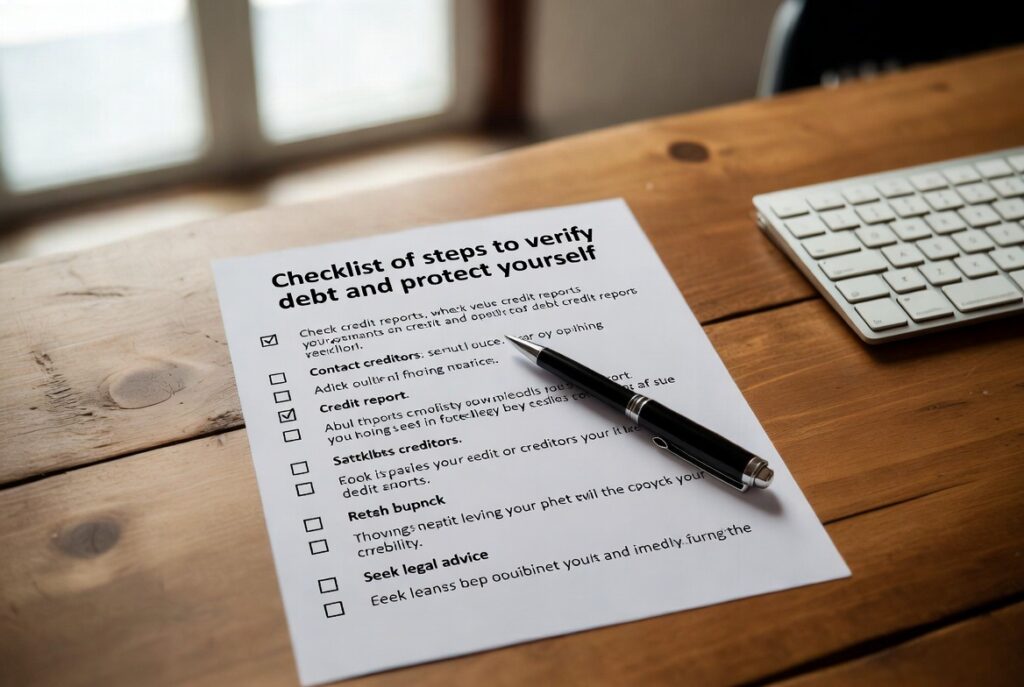
To protect yourself, you must understand your legal rights under the FDCPA. Debt collectors often rely on fear and fraudulent tactics. These laws specifically stop intimidation. They ensure that collectors never pressure you into paying more than you owe. By remaining calm and assertive, you shift the power dynamic. This ensures they cannot exploit your lack of information.
The most effective way to maintain control is to demand written verification. You should challenge any bogus or inflated amounts immediately. Never accept a collector’s verbal demands as the absolute truth. Instead, require them to prove the debt’s validity through official documentation. Stay highly organized and keep a detailed record of all interactions. Reporting unethical behavior to authorities ensures that you remain in charge.