

Introduction: Why Student Loan Changes in July 2026 Matter
Student loans have long been a significant financial burden for millions in the United States. Over the years, repayment plans were introduced to help, but they often became complicated.
Starting July 1, 2026, major changes are on the way.
The U.S. Department of Education will update federal student loan rules, with one of the most significant changes being the end of the popular Saving on a Valuable Education Plan (SAVE Plan).
These updates will directly impact:
- Monthly payments,
- Loan forgiveness timelines,
- Eligibility for repayment plans.
If you have student loans, understanding these changes is vital to avoid higher payments and financial strain.
What Is Changing in Federal Student Loans in July 2026? (Overview)
From July 2026, the federal government will modify student loan repayment systems.
Key Changes Include:
- End or replacement of the SAVE repayment plan,
- New income-driven repayment (IDR) options,
- Updated borrowing limits,
- Changes in loan consolidation rules.
These updates aim to simplify the system, but many borrowers may find it confusing at first.
End of Save Plan: What Borrowers Need to Know
The Saving on a Valuable Education (SAVE) Plan was intended to lower monthly payments based on income.
What’s Happening in 2026?
- The SAVE plan will be phased out or replaced,
- Borrowers may need to change plans,
- Some benefits may change or disappear.
Why This Matters
- Many borrowers currently depend on SAVE for low payments,
- Switching plans could lead to higher monthly costs,
- Forgiveness timelines may reset or change.
Action Tip:
Check your current plan and prepare to transition early.

New Student Loan Repayment Plans After Save (2026 Updates)
With the end of SAVE, new repayment options are expected.
Possible Alternatives:
- Updated Income-Driven Repayment (IDR) plans,
- Standard fixed repayment plans,
- Hybrid plans combine income plus fixed payments.
Key Features of New Plans:
- Payments will be based on income but may be higher than under SAVE,
- Different forgiveness periods (10 to 25 years),
- Stricter eligibility rules.
What You Should Do:
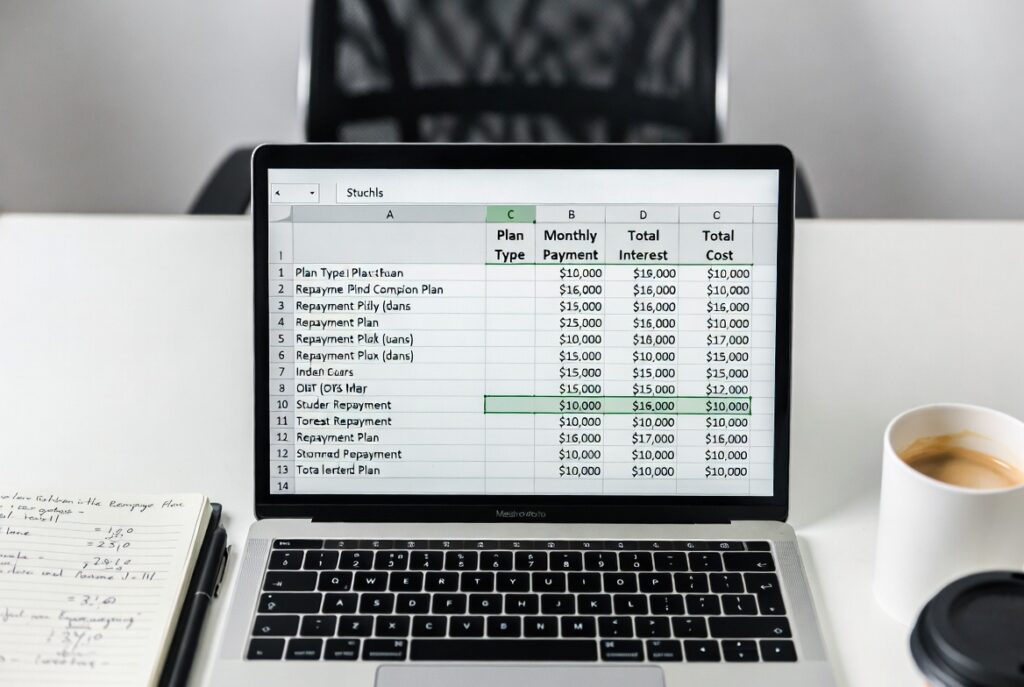
- Carefully compare the new plans,
- Choose the one with the lowest long-term cost,
- Avoid automatic enrollment without a review.
Need more information on what percentage to offer for debt settlement? Check out this article.
New Borrowing Limits for Federal Student Loans (2026)
Another significant update concerns borrowing limits for students.
What’s Changing
- Lower borrowing limits for some programs,
- Stricter limits based on degree type,
- More control to prevent excessive borrowing.
Impact on Students
- Less debt over time,
- Increased need for financial planning,
- Possible rise in private loan usage.

Changes in Student Loan Consolidation Rules
Loan consolidation allows you to merge multiple loans into one.
2026 Updates May Include:
- New eligibility criteria,
- Changes in how interest is calculated,
- Limited access for certain borrowers.
Pros of Consolidation
- Simplifies payments,
- You will have one monthly bill.
Cons:
- May increase the total interest paid,
- Can reset forgiveness progress.
Always calculate before consolidating.
How These Changes Affect Monthly Payments
The main worry for borrowers is straightforward:
“Will I pay more?”
Possible Outcomes:
- Some borrowers may face higher monthly payments,
- Others may lose benefits like low SAVE payments,
- Income-based options may still be available, but likely less generous.
Who Will Be Most Affected by 2026 Student Loan Changes?
1. Current SAVE Plan Users
- They must switch plans,
- They may see payment increases.
2. New Borrowers
- They will encounter stricter borrowing limits,
- They will have fewer flexible repayment options.
3. Borrowers Close to Forgiveness
- Changes may delay the forgiveness timeline,
- They need to carefully check their eligibility.
Step-by-Step: What Borrowers Should Do Before July 2026
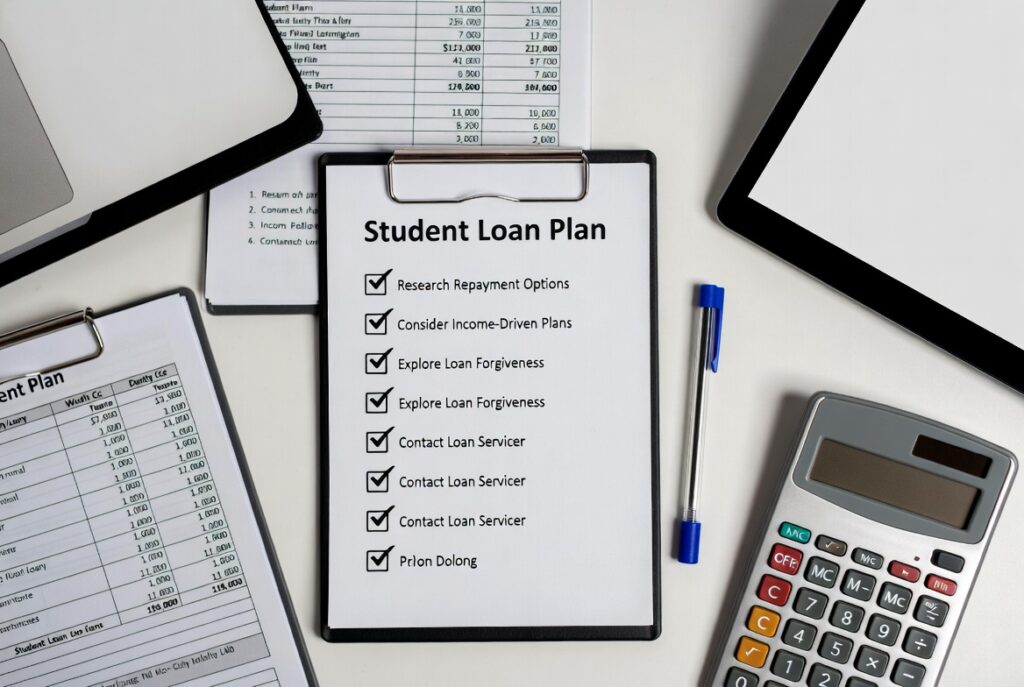
1: Review Your Current Loan Plan
- Check if you are enrolled in SAVE or another IDR plan.
2: Estimate Future Payments
- Use loan calculators to see how new plans will affect you.
3: Explore Alternative Repayment Plans
- Compare all available options closely.
4: Avoid Unnecessary Consolidation
- Only consolidate if it benefits you financially.
5: Stay Updated with Official Announcements
- Follow updates from the U.S. Department of Education.
Need more information about the debt settlement checklist before signing? Check out this article.
Common Mistakes to Avoid
- Ignoring changes until the last minute,
- Automatically switching plans without comparing,
- Consolidating loans without understanding the impact,
- Not checking eligibility for forgiveness.
Impact of July 2026 Changes on Loan Forgiveness
Loan forgiveness programs may also face alterations.
Possible Changes:
- New eligibility rules,
- Longer repayment periods,
- Reduced benefits compared to SAVE.
If you’re close to forgiveness, review your status right away.
Future of Student Loans After 2026
Experts expect:
- More simplified repayment systems,
- Increased government oversight,
- A focus on reducing long-term debt.
However, borrowers may encounter uncertainty in the short term.
Conclusion: Prepare Now to Avoid Future Problems
The student loan changes in July 2026 are among the most significant updates in recent years. While they aim to simplify the system, they may also increase financial pressure for many borrowers.
With the end of the SAVE plan, new borrowing limits, and updated repayment rules, it’s crucial to act early. Don’t wait until the changes take place.
Review your loans, understand your options, and make informed decisions now to secure your financial future.