


Introduction: The Relief People Expected Did Not Come
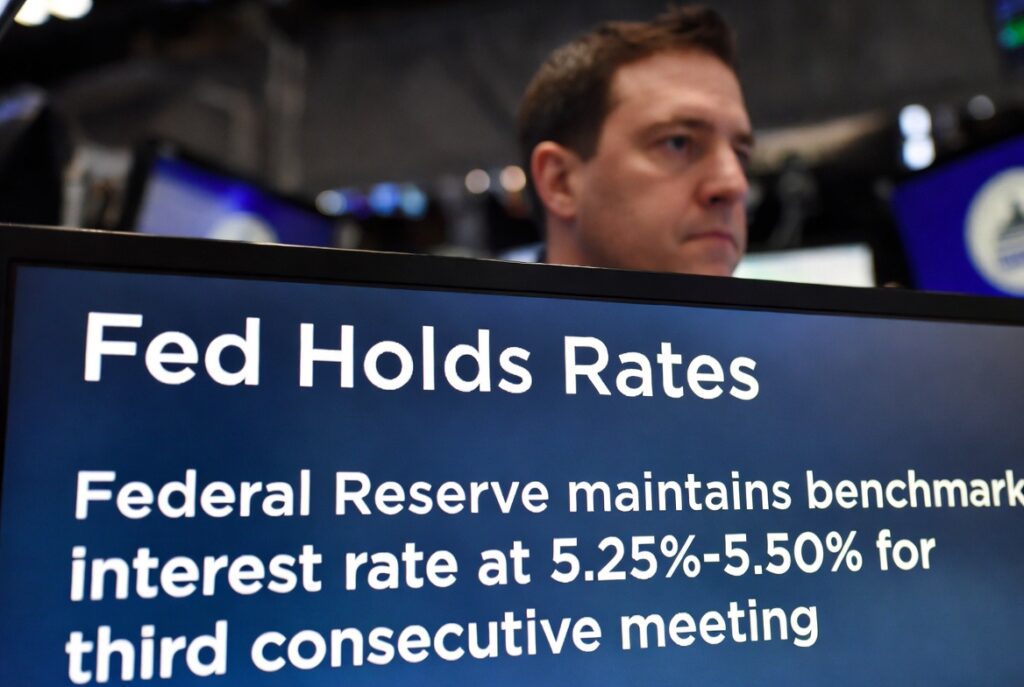
Many people tuned into today’s Fed meeting with one simple hope: perhaps credit card interest rates would finally decrease. For numerous families, this could have provided a little breathing room. A lower rate would reduce monthly interest, make balances easier to manage, and help people pay off their debt faster.
But that relief did not arrive.
Credit card holders remain burdened with high interest rates, and many households feel even more pressure as everyday living costs continue to rise. This is why so many are focused on this issue now. People are not only questioning why their rates stayed high but also wondering a larger question: why are so many Americans using credit cards for groceries, bills, and basic household needs in 2026?
The answer is uncomfortable but crucial. Inflation has been persistent, credit card debt has reached record levels, and families are relying on revolving credit not for luxuries but for survival. This combination has created a significant financial problem impacting millions across the country.
Why Credit Card Interest Rates Aren’t Dropping After Today’s Fed Meeting
First, it’s important to understand that credit card interest rates do not operate in isolation. They are heavily influenced by the Federal Reserve’s policy decisions, especially the benchmark interest rate and the overall direction of borrowing costs in the economy.
When the Fed shows caution, credit card companies typically keep APRs high. Even when the Fed cuts rates, card issuers do not always pass on those savings right away. And when inflation appears persistent, lenders are even less likely to lower rates.
This is why many borrowers did not see any real relief after today’s meeting.
The Fed remains concerned about inflation, especially in essential areas like food, energy, and other necessities. If inflation stays above target, the central bank usually avoids significant cuts. While this protects the broader economy from overheating, it also means consumers keep facing high borrowing costs. For someone with a credit card balance, this can feel like being stuck.
This is one of the biggest frustrations for households today. People expected lighter burdens, but instead they received higher APRs, costly minimum payments, and balances that barely changed month to month.
Why High Credit Card APRs Hurt Borrowers So Much
High credit card interest rates create a painful cycle.
When someone makes just the minimum payment, most of that money goes to interest rather than the principal. This results in a very slow drop in the actual balance. In some cases, a cardholder could pay for years and still owe nearly the same amount they started with.
This is why credit card debt feels different from other types of debt. It is fast, flexible, and easy to use, but it becomes extremely costly when rates remain high.
For instance, a borrower with a significant balance and a high APR might think they are making progress by paying every month. However, if the interest charges are substantial, the balance remains stubbornly high. This is one reason why debt can be emotionally exhausting. People do not just feel broke; they feel trapped.
This is also why more consumers are exploring debt relief options, especially debt settlement. If interest rates do not drop and balances do not decrease, some borrowers feel they need a different exit strategy.
The $1.3 Trillion Credit Card Debt Crisis in 2026
The second part of this story is even larger.
The United States is facing a massive credit card debt issue. Total revolving credit card debt has grown to over $1.3 trillion. This is not just a number; it represents real people carrying real balances month after month while trying to keep up with rising costs.
This debt level indicates something important: Americans are using credit cards more frequently and keeping balances for longer. The problem is not solely that people are overspending. In many cases, they are relying on credit cards because they have no other choice.
Groceries, rent, utility bills, gas, medical expenses, and school costs all add pressure. When wages do not increase quickly enough, credit cards become a temporary fix. But temporary solutions often lead to long-term debt.
This is how the crisis grows. A family uses a card for one grocery trip, then for another bill, and then for another emergency. Soon, the balance becomes too large to pay off quickly, and the interest begins to take its toll.
So when people learn that total debt is around $1.3 trillion, it is not just a financial statistic. It serves as a warning sign.
Why Americans Are Using Credit Cards for Groceries in 2026
One of the most alarming aspects of this trend is that credit cards are no longer primarily used for travel, shopping, or other lifestyle purchases. More Americans are using them for basic necessities like groceries, household items, and utility payments.
This is a significant shift.
When people use credit cards for groceries, it often indicates that their paycheck is not stretching far enough to cover the month. It can also suggest they are facing unexpected costs, job insecurity, medical bills, or rising prices overall.
Food prices remain one of the biggest stressors for families. Even when inflation eases in some areas, grocery bills frequently remain higher than expected. This makes it tougher to save, pay down debt, and feel financially secure.
Once a household starts depending on credit for essentials, it can fall into a dangerous cycle. The card helps today, but tomorrow’s bill grows larger because of accumulated interest. Then the next grocery trip gets charged as well. Over time, a small emergency can escalate into a long-term debt issue.
This is why so many consumers feel anxious in 2026. They are not asking how to buy a bigger TV. They are asking how to feed their family without sinking deeper into debt.

Why the Fed Meeting Matters for Everyday People
For many households, the Fed meeting might seem to only impact banks or investors. But that is not accurate.
Fed decisions affect borrowing costs across the economy. This includes mortgages, personal loans, auto loans, and credit cards. So when the Fed does not cut rates, the impact is felt by everyday people.
This means:
- credit card balances remain costly,
- debt payoff takes longer,
- monthly budgets stay tight,
- and financial stress continues to grow.
People were hoping for a break because they needed one. But when inflation remains stubborn, the Fed often keeps rates higher for longer. This may help control prices in theory, but it can be painful for consumers who are already struggling.
The result is that many Americans feel squeezed from both sides. They are paying more for groceries and essentials while also dealing with high interest on the credit cards they used to cope with rising prices.
That is a harsh combination.
Why Debt Settlement Is Getting More Attention
With credit card rates remaining high and debt balances so significant, more people are searching for practical relief. One option gaining attention is debt settlement.
Debt settlement entails negotiating with a creditor to accept less than the total balance owed. It is not a perfect solution and carries risks. However, for some individuals, it can provide a genuine way out of overwhelming debt.
Why is it becoming more popular now?
Because waiting for interest rates to drop doesn’t always suffice. If someone is already struggling with high balances, even a small rate cut may not solve the problem. Settlement, however, might reduce the principal itself.
That can make a major difference.
Still, debt settlement should be approached with caution. It can impact credit scores, may have tax implications, and often requires a lump-sum payment or a structured negotiation process. It is not a light decision but a serious financial move.
“Need more information about what percentage to offer for debt settlement? Check out that article.”
However, for borrowers feeling overwhelmed, it may be one of the few options that offers noticeable relief.

What Borrowers Should Do Right Now
If you are carrying credit card debt in 2026, this is not the time to ignore it. The combination of high APRs and rising daily expenses makes procrastination costly.
Here are the smartest steps to take:
- First, take a hard look at your current balances and interest rates. Many people avoid this because it is stressful, but knowledge is important. You cannot fix what you do not measure.
- Second, check if you are only making minimum payments. If that’s the case, calculate how much interest you pay each month. That figure might be shocking, but it helps you understand the true cost of waiting.
- Third, review your monthly spending and identify where the pressure is coming from. If groceries, gas, and utility bills are forcing you to use credit cards, that is a budget issue that needs quick attention.
- Fourth, see if you can negotiate with your card issuer. Sometimes lenders may offer hardship programs, temporary rate reductions, or other payment plans.
- Fifth, compare all your debt relief options closely. Debt settlement, credit counseling, balance transfers, and consolidation work differently. The best choice depends on your income, total debt, and long-term goals.
“Need more information about the debt settlement checklist before signing? Check out that article.”
Finally, do not assume the Fed will solve the problem for you. Even if rates drop eventually, your current card APR may stay high for a while. Waiting alone is not a plan.
Why This Topic Is So Important in 2026
This story matters because it reflects a larger truth about the economy: many Americans are no longer using credit cards for lifestyle upgrades. They are using them to get by.
That changes the conversation completely.
When people charge groceries, it shows that cost pressures are too high. When total credit card debt surpasses $1.3 trillion, it indicates millions of households are under strain. And when the Fed does not lower rates, it suggests the pressure is likely to continue.
That is why this topic engages so many people. It is not just about interest rates. It is about daily life, financial stress, and the struggle to stay afloat.
Conclusion: The Pressure Is Real, But You Still Have Options
Today’s Fed meeting did not provide the relief many credit card holders were hoping for. Rates stayed high, inflation concerns remained, and consumers faced the same expensive reality as before the announcement.
At the same time, the broader picture is troubling. U.S. credit card debt has risen above $1.3 trillion, and many Americans are now using credit cards not for extras but for groceries and basic living costs. That indicates real financial strain, not careless spending.
The good news is that borrowers are not powerless. There are still ways to respond: budgeting more carefully, negotiating with lenders, considering lower-cost alternatives, and exploring debt settlement or counseling when necessary.
The situation is serious, but it is not hopeless. The sooner people confront the problem and take action, the better their chances of protecting their financial future.