
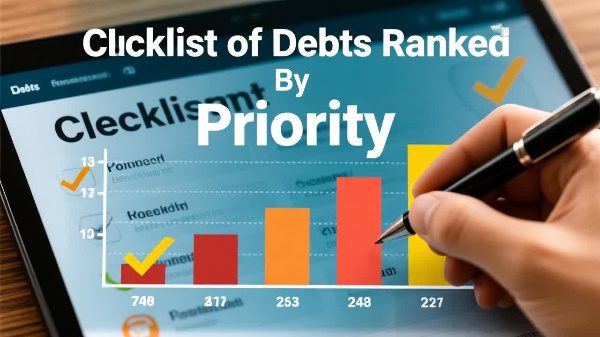
Introduction: Why Prioritizing Debts Matters in Settlement
Once you commit to settling debts, you often face a difficult question: “Whose debt should I settle first?”
Not all debt is created equal. Some of it will hurt your credit quicker, some of it will attract lawsuits, and some of it is less of a priority. Consequently, if you try to pay off everything at once without a clear plan, you will end up going broke before accomplishing anything.
Smart prioritization is the secret to successful debt settlement: determining which of your debts to settle first to minimize the greatest risk of financial loss, litigation, and the quickest re-establishment of credit.
In this article, you’ll discover step-by-step how to prioritize your debts, how to identify which are of greatest importance, and how to structure a logical settlement order leading to full fiscal rehabilitation.
1. Knowing Why Prioritization is Necessary
If you are overwhelmed with many debts, credit cards, personal loans, hospital bills, or collection agencies, it’s impossible for you to pay off or settle everything at once.
By focusing, you:
- Make your limited settlement budget count.
- Stay away from lawsuits and wage deductions.
- Lower interest and anxiety.
- Enhance your credit recovery schedule.
- Stay focused and directed.
Prioritization turns chaos to order, and that’s exactly what you need during settlement.
2. The Two Major Aims of Prioritization
Priorities for your debt settlement should combine fiscal sense and personal stability.
These two objectives direct the process:
Goal 1: Reduce Financial Harm
High priority should be given to collections that are the highest risk to your credit report/credit score or potential litigation.
Goal 2: Obtain Maximum Financial Assistance
Choose some debts that are simple to pay off and cheap to showcase momentum and increasing motivation.
Let’s learn how to strike a perfect equilibrium.
3. Step-by-Step Guide to Prioritize Debt for Settlement
This is a systematic way to pay off your debt first.
Step 1: Write Down All Your Debts Explicitly
Begin by listing each of your unsecured debts.
Employ a simple chart:
| Creditor | Type of Debt | Balance | Status | Interest Rate | Collection Stage | Urgency |
| Bank A | Credit Card | $4,000 | Delinquent | 21% | Internal Collections | High |
| Bank B | Personal Loan | $7,000 | Charged Off | 0% | Collection Agency | Medium |
| Hospital | Medical Bill | $2,500 | Active | 0% | In-House | Low |
It gives a bird’s-eye view of your current location.
Step 2: Identify Secured vs. Unsecured Debt Different
You cannot pay off all of your debt.
- Secured Debt: Guaranteed by collateral (e.g., auto loans, home mortgages).
These are not good for settlement at first, for your creditors may repossess your asset.
- Unsecured Loans: Credit cards, personal loans, healthcare bills, and payday loans.
These are suited for settlement for the reason that creditors cannot directly confiscate property.
Pay off high-interest, unsecured loans first.
Step 3: Verify Legal Risk of Each Debt
Legal risk is one of the highest risks to be considered for emphasis.
Ask yourself:
- Has your lender issued threats of a lawsuit?
- How long does it endure?
- Is it now due by the date specified by statute for your individual state?
- Was it resold to a collection agency?
If a creditor is actively pursuing you for litigation, then your settlement list should start with that debt.
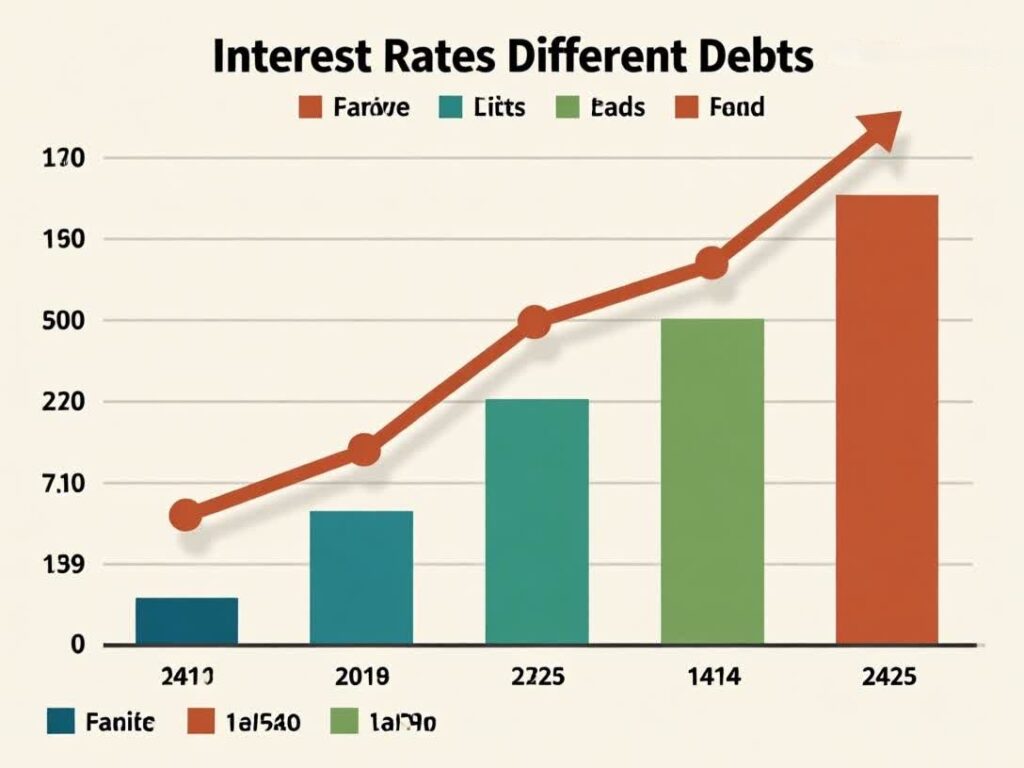
Step 4: Review of Interest Rate and Growth Prospects
Higher interest-bearing debts are gathered more quickly, hence riskier.
For example:
- 25% credit card borrowing can double in a short space of several years.
- A 0% medical debt grows slowly and can wait a bit longer.
Therefore, choose:
- High-interest charge cards
- Personal loans with compound interest
- Collection accounts with the threat of litigation
Step 5: Evaluate Account Age and Charge-Off Status
The age of debt impacts how accommodating creditors will be.
- Recent debt (less than 6 months): Your creditors are likely to demand larger repayments.
- Old receivables (1–3 years): They might accept less money as they’ve written off their losses anyway.
Therefore, pay off older or charged-off debt first for rapid wins.
If litigation is a risk, begin by focusing on new, high-risk customers.
Step 6: Assess Settlement Potential
Certain creditors are less confrontational during renegotiation compared to other creditors.
Examples:
- These credit card companies are usually receptive to settlement.
- Payday lenders or college loan lenders cannot be.
Do a little research or inquire of other people about how your creditor settles. Pay those most accommodating first; it gets things moving.
Step 7: Align Priority with Available Funds
If you have set up a settlement fund as outlined in Topic 2, invest your available amount appropriately.
Start by paying short-term debt if you have $2,000 available. Your potential to settle one large high-risk account is enhanced significantly once you reach $5,000 or more. Early small wins maintain morale high and decrease collector contacts.
4. Different Types of Debt and Optimal Technique to Prioritize Them
Let’s talk about how to handle some kinds of debts when settling them.
4.1. Credit Card Debt
- Normally uninsured.
- High interest rates and vigorous collection activities.
- Ideal candidates for early settlement.
Urgency: High (particularly if delinquent for 90–180
4.2. Personal Loans
- May be secured or unsecured.
- If unsecured, settle after high-interest cards.
- If it’s collateralized, make sure to keep up current payments lest you lose collateral.
Severity: Medium to High
4.3. Medical Expenses
- Usually interest-free and negotiable.
- Hospitals may accept payment plans or deep discounts.
Priority: Low to Medium (or if already found in collections)
4.4. Collection Agency Debt
- Agencies buy old debt cheaply.
- More flexible in negotiation.
- Appropriate for Lump-Sum Payments.
High Priority for Fast, Inexpensive settlements

4.5. Payday Loans
- Extremely high interest.
- Often aggressive collectors.
- Settle these early before there are possible rollovers or lawsuits.
Priority: Very High
4.6. Utility or Telecom Bills
- May impact credit reports but seldom result in litigation.
Urgency: Low to Medium
4.7. Government Debt or Government Loans
- These include other settlement procedures (e.g., IRS Offer in Compromise).
High Priority: Special category process separately
5. Debt Prioritizing Strategy Models
Everybody’s needs are different financially and otherwise.
These are three realistic prisonization models to select from:
5.1. The “Risk-Based” Strategy
Pay off first those debts that are most heavily legally/financially exposed.
Better yet, if you’re concerned about lawsuits, wage garnishments, or real estate liens.
Sample order:
- Credit card debt nearing charge-off
- Personal loan risk of litigation
- Collection statements
- Medical bills
- Utility or telephone arrears
5.2. “Smallest Balance First” (Quick Win) Strategy
Also called the “Debt Snowball for Settlements.”
You begin with your smallest amounts, pay those off quickly, and it’s that motivation to pay off larger amounts.
Order example:
- Smaller accounts of $500 to $1,000
- Medium $2,000–$3,000 accounts
- Greater borrowings endure
Pros: Builds confidence, reduces the number of accounts fast.
Cons: Can keep high-risk accounts waiting for too long.
5.3. ” Highest Savings Ratio ” Strategy
Pay off debts for which you get the highest percentage off.
Say, for example, a creditor offers to accept 35%, and accept it ahead of a creditor asking for 70%.
Order sample:
- Debt codes for optimal settlement offers
- Debts with flexible creditors
- New or stubborn accounts endure
- This process is less expensive for you overall.
6. Risk vs. Reward Balancing
Most effective settlement schemes incorporate multiple techniques.
example:
- Use risk-based prioritization of active litigation.
- Use a quick-win strategy for small, old debts.
- Apply the savings ratio strategy if a creditor quotes steep discounts.
This combination generates the greatest monetary gain with the lowest risk.

7. Errors to Avoid in Debt Prioritization
- Ignoring legal threats: Never postpone debts that may lead to court.
- Pay lowest interest debts first: Pay off those that charge you the most or are affecting your credit.
- Not obtaining written agreements: Obtain written confirmation before sending a payment.
- Paying new debts with new credit: That restarts the problem cycle.
- Not checking balances each month: The statuses of accounts may alter rapidly.
8. When to Re-Prioritize
Debt circumstances aren’t fixed.
Re-evaluate your list each 2–3 months, particularly if:
- You make or lose money.
- New judicial proceedings begin.
- Creditor transfers debt to a new agency.
- You are offered a new settlement proposal.
Flexibility guarantees that you neither miss a risk nor a chance.
9. How Prioritizing Impacts Your Credit Rating
Settlements each influence credit differently.
- Settling recent, large debts can cause a short-term dip but prevent bigger damage.
- Settling old collection accounts may improve your score slightly over time.
- As debts close, your debt-to-income ratio improves, helping future credit rebuilding.
Thus, strategically, it’s beneficial to pay first, both financially and credit-wise.
10. Real-Life Application: Prioritization Practice
Let’s see how a sample person, Sarah, decides which debts to settle first.
| Debt | Balance | Risk | Status | Recommended Priority |
| Credit Card (Bank A) | $6,000 | High (lawsuit threat) | 120 days past due | 1 |
| Credit Card (Bank B) | $3,000 | Medium | Charged off | 3 |
| Medical Bill | $1,200 | Low | Active | 4 |
| Payday Loan | $1,000 | Very High | In collection | 2 |
| Telecom Bill | $500 | Low | Old | 5 |
Sarah repays consumer loans and high-risk credit cards ahead of other creditors.
Result:
- Legal risk eliminated
- Stabilizing Credit
- Momentum built to pay off the remaining smaller bills.
This order provides peace of mind and forward motion for her.
11. Instruments to Guide Your Debt Prioritizing
Use free software or templates:
- Google Sheet or Excel debt tracker spreadsheet Personal
- Budgeting programs like YNAB or Mint
- Debt repayment calculators (hypothetical scenarios)
These keep your information structured and centered.
12. Prioritization Complete What’s Next?
If your settlement order is being concluded:
- Call your creditors, beginning with your highest priority list.
- Make offers backed by your settlement pool.
- Always confirm agreements in writing.
- Revise your plan monthly.
With time, your debt will diminish both its volume and its value.
Conclusion: A Smart Order Leads to Faster Freedom
Knowing how to work out how to pay off which debts first is hardly less important than saving or negotiating shrewdly.
By studying risk, interest, balance size, and creditor behavior, you are empowered to build a concise plan of action, stress-free, money-saving, and reclaiming authority one step at a time. Don’t hasten to pay off everything simultaneously. But instead, be strategy-minded rather than speed-minded. Pay off your riskiest, highest-priced debt first, achieve little wins during the process, and continue doing so until each of your accounts is paid off. Your debt Elimination course starts not with money but with a shrewd, order-of-priority strategy.