

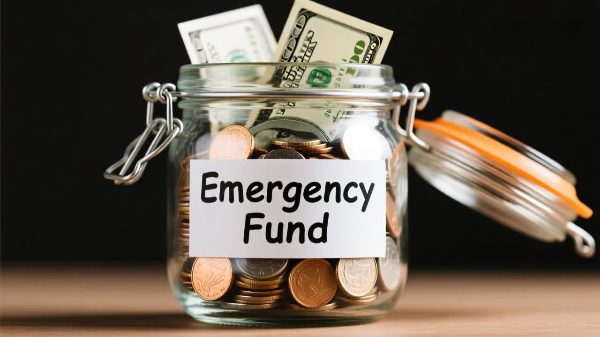
Introduction: Why an Emergency Fund Is Important After Settlement
Having experienced a debt settlement, many individuals experience relief and anxiety at the same time. Relief comes from eliminating a large debt; anxiety comes from not wanting to owe again. One of the brightest ideas you can have after a settlement is creating a fund for emergencies.
An emergency fund is a buffer; it protects you from unexpected expenses such as medical emergencies, layoff or loss of employment, car repairs, or unforeseen home expenses. Without one, you’ll likely resort to credit cards or a loan, risking a relapse into debt.
This manual will enable you to grasp how much to create for an emergency fund when you settle, why it is needed, how much is recommended, and handy ways of doing it on a strict budget.
1. Grasping the Significance of a Post-Settlement Emergency Fund
Your finances are shaky after the settlement. Chances are, you are reconstructing credit, living on less income, or getting used to your new financial routines. At this time, unexpected expenses have a high probability of disrupting your gains.
This is why you need an emergency fund:
- Avoid Relapsing into Debts: Without a buffer, you might go for credit cards or even loans for emergencies.
- Ensures Peace of Mind: The fact that financial surprises lie within one’s reach erases financial tension from an individual.
- Strengthens Financial Security: This allows you to fund emergencies without disrupting your rebuilding activity.
- Shows Responsibility towards Lenders: A growing amount saved shows financial maturity, which restores confidence.

Simply put, a fund for emergencies is the cornerstone of a long-term financial recovery.
2. How much should you have saved in your Emergency Fund at settlement?
Financial advisors suggest putting aside 3-6 months’ worth of living expenses. At settlement, however, that could be a lot to handle. The approach is to start slow and increase steadily.
Here’s a quick rundown:
| Stage | Aim Amount | Purpose |
| Starter Fund | $500 – $1,000 | For small emergencies (e.g., car repairs, medical bills) |
| Intermediate Fund | 1–3 months of expenses | Covers temporary loss of employment or emergencies |
| Full Fund | 3-6 months of living expenses | Ensures complete financial coverage and security |
Example:
If you have $2,000 per month worth of expenses, then your complete fund for emergencies is $6,000-$12,000.
Begin small, yet remain regular — that is the recipe for success.
3. Assessing Your Personal Circumstances After a Settlement
Before you start saving, determine your current financial health.
3.1 Calculate Your Income
Know precisely what you receive for a specific month after taxes.
3.2 Track Your Expenses
List all your monthly expenses: rent, utilities, food, insurance, and transportation.
3.3 Find Areas for Redundancy Reduction
Search for wasteful expenditure like:
- Subscriptions you don’t use
- Eating out regularly
- Impulse purchasing
- Premium streaming services
Even averaging $50-$100 per month regularly makes a huge impact.
4. Aiming for Achievable Savings Goals
Your goal, after settling, should be reasonable and also realistic. This is how you should prepare:
- Begin small: Have a micro-goal: Save $10-$20 per week at first.
- Short-term goals: For instance, “save $500 within a time duration of three months.”
- Automate your savings: Regular transfers of money into your emergency fund.
- Celebrate little victories: Little victories instill motivation and self-control.
Remember: speed loses out to consistency. Gradual movement forges long-term stability.
5. Where to Stash Your Emergency Fund
It needs to be easy for anyone to get their hands on, but easy enough that nobody buys it on a whim. Favorites are:
5.1 High-Yield Savings Account
- Pays interest (0.5% to 4%) on deposits.
- Readily available during emergencies.
- FDIC-insured (safe up to $250,000).
5.2 Money Market Account
- Slightly above regular savings interest rates.
- Restricted withdrawals per month.
- Good for mid-term emergency funds.
5.3 Separate Savings Account
- It should remain distinct from your regular-use bank account.
- Decreases the desire for expenditure.
Don’t keep it inside:
- Check accounts (too easy to use)
- Stock or investments (risk of loss during emergencies)
Your emergency fund is about security, not profit.
6. Tips on How to Establish a Fund for Emergencies after Settlement
Even if your pay is modest after settlement, you can accumulate deposits with small, repeated efforts. Here is how:
6.1 Automate Your Savings
Set up an auto-transfer on payday. Consider your emergency fund as a list of bills due.
6.2 Reducing Monthly Fees
- Cancel unused subscriptions
- Switch to cheaper brands for groceries
- Restrict coffee breaks or dining at restaurants
- Ride public transport when you can
Even tiny scrapes accumulate when piled up.
6.3 Use the “50/30/20 Rule.”
- 50% on essentials (rent, food, utilities)
- 30% for desires (consumption, enjoyment)
- 20% on savings (including your own emergency fund)
6.4 Save Windfalls
Other unexpected revenues, such as tax refunds, bonuses, or inheritance, should go into your fund for emergencies.
6.5 Part-Time or Side Jobs
Consider small side gigs like freelancing, delivery driving, or online tutoring. Direct all extra income to your emergency fund until it reaches your target.
6.6 Round-Up Apps
Use rounding up your buys and putting the extra change towards a fund (like Acorns or Qapital).
7. Putting Your Emergency Fund First Among Other Financial Aims
After you settle, you may have a number of goals: rebuilding credit, paying off existing bills, and saving. Prioritize wisely.
7.1 Focus Order:
- Pay your bills on time (to safeguard your score).
- Savings for emergencies.
- Save for long-term objectives (such as investments or retirement).
Your first defense is your emergency fund. Without it, any surprise expense could throw other goals off track.
8. Saving to Rebuild Financial Confidence
The act of saving a few coins following a severe financial disaster not only helps to build up finances but also boosts confidence.
Here’s the psyche behind it:
- You would feel like you are back in control.
- There’s perceivable progress every month.
- It reduces money-related anxiety.
- The motivation turns into discipline.
A strong emergency fund isn’t just money; it’s the metaphor of recovery and independence.
9. Common Mistakes to Avoid When Creating an Emergency Fund After the Settlement
It makes cautionary moves like these that can delay the achievement of your goals.
| Mistakes | Why It Hurts | Better Approach |
| Not Starting Small | Waiting to save “big amounts” will delay progress | Save whatever you can, even if it’s just $10/week |
| Using the Fund for Non-Emergencies | Depletes your safety net | Only use for true emergencies |
| Mixing Funds | Hard to track and easy to spend | Keep a separate savings account |
| Ignoring Automation | Will power Dependent | Set up auto-transfers |
| Chasing High Returns | Increases Risk | Focus on safety over profits |
Avoiding such blunders helps you to ensure that your savings grow steadily and remain stable.
10. Emergency Fund: How It Works and When to Utilize It
Use Your Fund For:
- Medical emergencies
- Job loss or income reduction
- Urgent home or car repairs
- Essential travel (family emergencies)
Don’t Use Your Fund For:
- Vacations or holidays
- Luxury purchases
- Entertainment or shopping
- Routine bills you can plan for
When you do use it, rebuild it as soon as possible.
11. How to Replenish Your Emergency Fund After Using It
And when you have to break into your emergency fund, do not feel the pain. Go back to establishing the habit of saving.
The steps to rebuilding:
- Examine the reason for the withdrawal.
- Gradually allocate the budget for replacing funds.
- Apply temporary austerity or supplemental income.
- Re-automate contributions.
Keep in mind that the aim is perseverance rather than perfection.
12. Long-term advantages of keeping an emergency fund following a settlement.
An emergency fund built following a settlement brings rewards on dual fronts — emotional and monetary.
- It’s a way of reducing one’s dependence on credit cards and loans.
- It protects the rebuilt credit score.
- Promotes discipline and accountability with one’s finances.
- Cushions future aspirations (home, car, or business).
- It makes it easier to access new credit since lenders view savers more favorably.
It’s not only about weathering life’s emergencies, but it’s all about thriving confidently in the future.
13. Joining Credit Rebuilding and Saving Emergency Fund Together
You don’t have to make a conscious choice between improving credit or saving — you can do both at the same time.
Sample Strategy:
- Get a secured credit card then cut down for small buys.
- Pay it away every month, and thus, build credit. In the meantime, save a fixed percentage (even 5-10%) of income for your emergency fund.
- This method realizes early recovery and takes care of keeping your finances balanced.
14. Timeline for Building an Emergency Fund After Settlement
Your time frame will depend heavily on income, expenses, and the regularity with which you follow your plan.
| Savings Rate | Target ($1,000) | Target ($5,000) |
| $50/month | 20 months | 100 months |
| $100/month | 10 months | 50 months |
| $200/month | 5 months | 25 months |
Even slow progress matters. The important thing is not to stop once you start.
15. Expert Tips to Help You Get the Emergency Fund Faster
- Save first, spend later-reverse the habit of many people.
- Use cash-back or reward apps to save up an additional thousand bucks, and
- Cut the “invisible” expenses-the ones for the unused memberships.
- Inspect the budget every three months.
- Visibility is essential for the objective, that is, a savings tracker or a progress chart.
Visibility and motivation are the two accelerators driving your savings development.

Conclusion: Secure Your Future, One Dollar at a Time
Creating an emergency fund following a settlement is about reclaiming financial life control, not just about saving money. Every dollar saved is a layer of defense, self-assurance, and peace of mind.
Start modestly, be regular, and regard your emergency fund as your personal insurance policy against upcoming debts. You will safeguard your current situation from upcoming dangers and also assist in creating a more robust future after some time, willpower, and discipline.
Recall: Once taken, the most difficult next step is to wage war and liberate yourself from debt. The next step is to safeguard your earnings using savings.